How to Spot Early Signs of Suspension Wear For Daily Drivers in Everett’s
Daily drivers in Everett face a unique mix of wet weather, steep hills, and construction zones that can all take a toll on vehicle suspension. Many drivers only notice suspension issues once the ride becomes uncomfortable or when handling feels unsafe, but the earlier you identify problems, the more affordable the repairs tend to be. Since suspension wear in Everett can progress slowly, learning how to spot subtle warning signs will help you protect your car and avoid costly repairs. It can also help you understand how to spot vehicle damage in WA where uneven pavement, seasonal potholes, and heavy rainfall can speed up deterioration.
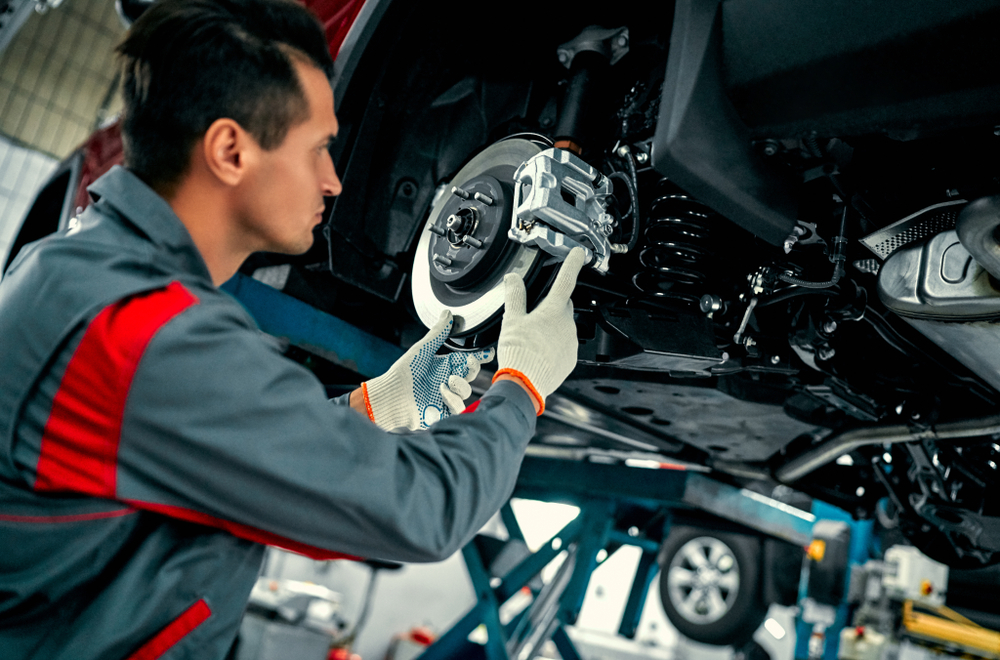
Your suspension system is made up of shocks, struts, springs, control arms, and bushings. These components work together to keep the car stable, absorb bumps, and prevent the body of your vehicle from bouncing or swaying. When any of these parts begin to fail, you might not immediately connect your symptoms to the suspension. Early detection is the key to preventing long term structural and tire damage, which is especially important for drivers who frequently navigate rough or uneven routes.
Recognizing Changes in Ride Comfort and Stability
One of the earliest signs of suspension wear shows up in the way the car feels on familiar roads. If you start to notice that your ride is rougher even though your usual routes have not changed, the suspension may not be absorbing impacts properly. Everett roads can develop soft spots and dips after heavy rain, which can quickly highlight weak shocks or struts. When your suspension begins to fail, the cabin can feel shaky or unsettled during normal driving, especially at moderate speeds.
You might also notice that your vehicle leans more than usual when turning. A healthy suspension should keep the car level and composed, but worn components allow the body to sway, which can compromise control. Some drivers describe this as a floating sensation that becomes more pronounced on downhill curves. This is a strong indicator that your shocks or struts have lost their internal pressure.
In addition, if the car rebounds multiple times after going over a bump, that is a classic sign that the suspension is no longer dampening motion effectively. This type of bouncing does not require extreme terrain to be noticeable. Even small potholes or uneven patches can reveal the issue. Continued driving with this symptom can lead to car issues caused by uneven roads since the constant jarring motion can loosen additional parts over time.
Identifying Noises Related to Suspension Wear
Unusual noises are often among the first things drivers detect when something is not functioning correctly. With suspension wear in Everett, you may start to hear sounds that resemble clunking, knocking, or squeaking when driving over imperfections. These noises typically develop because metal components that once rested on rubber bushings or lubricated joints are now rubbing together or moving more freely than they should.
Clunking noises often point to worn ball joints or control arm bushings. These parts play an essential role in maintaining alignment and stability. If they begin to deteriorate, they will create space that allows movement where none should exist. This movement produces sound every time the suspension flexes. Drivers in WA who experience frequent temperature changes might notice these noises more during colder months as rubber stiffens and cracks.
Squeaking sounds often come from neglected joints that have lost lubrication. Although this noise alone may not indicate immediate danger, it frequently accompanies other early signs of suspension wear. Over time, the squeaks can escalate into grinding, which signals metal on metal contact. Grinding is typically more serious and requires prompt attention to prevent full component failure.
When you hear these noises consistently, especially when turning or braking, it becomes even more important to investigate. While road noise can mask these signs, they are easier to detect when driving at lower speeds or through parking lots where echoes can help pinpoint the location of the issue.
Watching for Visual Indicators of Suspension Problems
Visual inspection can reveal suspension issues long before they affect driving performance. Many drivers look for leaking fluid beneath their cars but may not realize that fluid around the shocks or struts themselves is a major indicator of failure. These components rely on hydraulic fluid to absorb impacts. When you see moisture streaks or thick oily residue on their surface, the internal seals may have given out. Loss of this fluid is a sign that the part can no longer perform its job.
Another visual cue is uneven tire wear, which is strongly associated with how to spot vehicle damage in WA. The constant stress from potholes and uneven road surfaces can knock suspension components out of alignment. When this happens, your tires will show patterns of wear that do not match across all four wheels. Feathering, cupping, or excessive edge wear often signal that alignment issues are tied to worn suspension parts rather than simple steering problems.
You should also look at how your vehicle sits. A sagging corner is one of the most obvious signs of a broken spring. Springs support the vehicle’s weight, and when one fails, the car will lean to that side even when parked. This imbalance can further stress the remaining components. A sagging corner also increases the risk of car issues caused by uneven roads because the compromised spring cannot absorb harsh impacts, putting more strain on the frame and chassis.
Finally, check for rust or corrosion around mounting points. Everett’s rainy climate and occasional salt exposure can speed up corrosion, weakening the structural supports that hold your suspension in place. Although some surface rust is normal, heavy corrosion around bolts or brackets is a sign that repairs may be needed soon.
Detecting Steering Issues Caused by Suspension Wear
Steering problems can often be traced to early suspension wear. If your steering wheel feels loose or harder to control, it might be due to worn joints or deteriorated struts that no longer stabilize the front end. For Everett drivers, slippery or wet roads can make these symptoms even more noticeable, especially when quick corrections are required.
Another major clue is if your vehicle drifts to one side while driving straight. Many assume this is always an alignment issue, but the alignment itself may be compromised because the suspension can no longer hold angles correctly. When bushings soften or crack, alignment angles shift during motion, creating inconsistent handling feedback. Over time, drifting leads to faster tire wear and reduced braking stability.
Vibration in the steering wheel is another indicator. While vibrations can come from unbalanced tires, failing suspension components can make the problem more pronounced. Worn struts allow more movement than intended, which can send vibration through the steering column, especially at higher speeds. This is particularly risky on highways where Everett drivers often navigate heavy traffic and wet pavement.
If turning the wheel produces resistance, a delayed response, or unusual noises, the issue may also involve the suspension system rather than only the steering mechanism. Addressing these symptoms early can prevent dangerous handling problems that could worsen over time.
Why Early Detection Saves Money and Extends Vehicle Life
Spotting early signs of suspension wear in Everett is not just about comfort. It also protects the long term health of your vehicle. Suspension issues rarely stay isolated. When one component begins to fail, added stress spreads to surrounding parts. A single worn shock can speed up tire wear. A cracked bushing can affect alignment. A failing spring can place additional load on the chassis.
Because Everett roads can create unpredictable driving conditions, identifying problems early allows you to stay ahead of more expensive repairs. Replacing one worn component is far more cost effective than waiting until multiple parts need service at the same time. Proper suspension maintenance also keeps your car safer and more predictable, which is especially important during the rainy seasons when traction is compromised.
Addressing suspension wear early also improves fuel efficiency. A stable and correctly aligned vehicle encounters less resistance, allowing the engine to operate more efficiently. This can save you money over time while preventing car issues caused by uneven roads.
Conclusion
Suspension systems are often overlooked until problems become undeniable, but by learning how to spot the early signs, Everett drivers can extend the life of their vehicles and maintain safer handling on local roads. Pay attention to how your car feels, listen for new noises, watch for visual indicators, and do not ignore changes in steering. Suspension wear in Everett can worsen quickly due to rough weather and road conditions, but proactive care can prevent major failures and keep your daily driving smooth, reliable, and cost effective.
Need an Auto Repair Shop in Everett, WA?
Welcome to Auto Truck Service Inc. Auto Truck Service Inc. has been serving our local community of Everett since 1978. Locally owned and family operated, we provide a personal customer service experience to ensure that all your needs are met. With over 50 years of experience, we are not here to give anyone the runaround; we get the job done right the first time. Our knowledgeable staff will ensure that we get to the bottom of your issue and get you back out on the road in no time. Our services include general auto repair, diesel services, marine engine repair, and custom machine shop services. We also provide repair services for fleet vehicles, motor homes, and high-performance vehicles. Stop in or call us today!
Categorised in: Suspension Repair