Why Everett’s Stop-and-Go Traffic Accelerates Wear on Your Vehicle’s Engine and Transmission
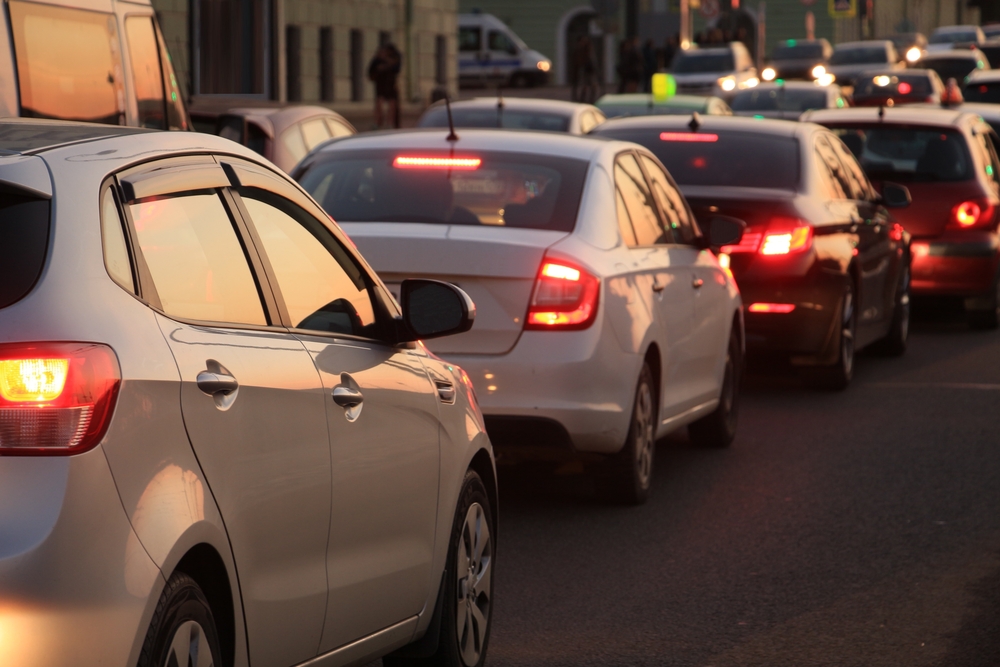
Everett’s growing population and consistently busy roads create challenging driving conditions for local commuters. Long lines of cars on I 5, frequent slowdowns on Broadway, and crowded streets near the waterfront are now daily realities for many drivers. These conditions not only increase travel time but also affect the long term health of your vehicle. Stop and go traffic has a direct and measurable impact on your engine and transmission, especially when it becomes part of your everyday routine. Understanding exactly how this type of driving accelerates wear can help you make informed decisions about maintenance and care. It can also help you recognize early symptoms of stress and know when to seek engine repair in Everett WA.
How Constant Acceleration and Braking Strain the Engine
Stop and go driving forces your engine to work harder than it would under steady cruising conditions. When you are frequently accelerating from a dead stop, you demand rapid bursts of power that place additional stress on internal components. This repeated cycle of acceleration and deceleration prevents your engine from reaching an optimal operating rhythm. Instead of maintaining a stable temperature and consistent load, the engine must continually adjust to quick shifts in power demand.
These sudden changes create heat that builds up over time. Extra heat increases friction between moving parts and can cause premature breakdown of engine oil. Once oil loses its ability to lubricate effectively, the engine becomes more vulnerable to wear. In a place like Everett, where traffic congestion is common during morning and evening commutes, heat related stress can accumulate faster than many drivers realize. Regular oil changes help, but extreme driving environments shorten the effective lifespan of even high quality oil. For this reason, drivers who spend significant time in stop and go conditions often need maintenance more frequently than the manufacturer schedule suggests.
Understanding how to increase the life of your transmission and engine begins with recognizing the role that driving environment plays. Although most drivers associate severe engine stress with high speed or long distance driving, constant low speed operation can be just as demanding.
Why Stop and Go Conditions Are Especially Hard on Transmissions
Your transmission bears significant load during acceleration, gear changes, and low speed operation. Frequent starts and stops require continuous shifting, which leads to extra heat inside the transmission housing. Automatic transmissions are designed to operate within a narrow temperature range. When temperatures rise beyond that limit, the fluid that lubricates and cools internal parts begins to degrade. Degraded transmission fluid cannot properly protect clutch packs, gears, and bearings.
Everett’s urban layout and highway congestion create ideal conditions for this kind of stress. Even short commutes can involve dozens of micro shifts that place greater demand on your transmission. As fluid breaks down, shifts may become rougher or slower. Drivers sometimes interpret this as normal aging, but it is often an early sign of excessive wear. Learning how to reduce transmission stress is an important step in preventing costly repairs. Maintaining proper fluid levels, scheduling routine inspections, and adjusting your driving habits during heavy traffic can all help prolong transmission life.
Some drivers assume that transmission wear only occurs at high mileage, but harsh conditions can accelerate deterioration even in relatively new vehicles. In cities like Everett where slow traffic is common throughout the year, preventive maintenance becomes a necessary investment rather than an optional one.
The Impact of Heat Buildup During Everett’s Congested Commutes
Heat is the common enemy of both engines and transmissions. When a vehicle is forced to operate at low speeds for extended periods, air cannot circulate effectively through the radiator or around the transmission housing. Even on cool Pacific Northwest days, prolonged idling and creeping through traffic cause temperatures to climb steadily.
Modern cooling systems are designed to regulate heat, but they are far more efficient when the vehicle is moving at consistent speeds. Slow movement restricts airflow, and repeated bursts of acceleration only add to the heat load. Over time, this can cause seals to harden or crack, gaskets to fail, and fluids to evaporate or degrade more quickly.
Drivers in Everett often experience extended slowdown zones on routes like Highway 526 or the Snohomish River Bridge. These conditions make it especially important to stay alert for symptoms of overheating. Rising temperature gauges, unusual smells, and shifting hesitation are all indicators that the engine or transmission is struggling to maintain safe operating temperatures. Ignoring these symptoms can lead to breakdowns or long term mechanical damage. Seeking timely engine repair in Everett WA can prevent minor issues from escalating.
How Driving Habits Can Reduce Mechanical Stress
While traffic patterns are beyond your control, your driving techniques can either intensify or lessen mechanical stress. Gentle acceleration is one of the easiest ways to reduce unnecessary strain. Many drivers unknowingly press harder on the gas pedal than needed when trying to keep up with the vehicle ahead of them. Smooth and gradual acceleration reduces heat buildup and allows your transmission to shift more efficiently.
Another effective method for how to reduce transmission stress is to maintain adequate spacing from the car in front of you. When you allow a larger buffer, you can roll forward at steady speeds instead of repeatedly stopping and starting. This practice not only reduces stress on the transmission but also improves fuel efficiency. It gives your engine time to operate in a smoother power band, which reduces friction and heat.
Routine maintenance also plays a crucial role in preserving vehicle health. Drivers who want to know how to increase the life of your transmission should prioritize regular fluid changes and inspections. Because stop and go driving shortens fluid lifespan, Everett drivers may benefit from scheduling service at shorter intervals than the manufacturer recommends for highway driving. A trusted local technician can help determine an appropriate maintenance schedule based on your driving patterns.
Why Regular Maintenance Matters More in Stop and Go Environments
Vehicles driven primarily in congested conditions require more proactive care than vehicles that spend most of their time on the highway. Engines that frequently idle or operate at inconsistent speeds accumulate contaminants more quickly. Transmission fluid subjected to repetitive shifts and high heat loses its protective qualities sooner.
Drivers in Everett should never rely solely on mileage based maintenance schedules. Time, conditions, and environment are equally important. Even if you do not drive far, the type of driving you do can still cause significant wear. Choosing a local shop for engine repair in Everett WA means you can work with technicians who understand the unique demands of regional traffic patterns. These professionals can recommend customized service intervals and identify early warning signs that may go unnoticed by drivers.
Preventive care is far less expensive than major repairs. Worn transmission components or overheating related engine issues can lead to extensive damage if not addressed. By staying ahead of maintenance requirements, you protect your vehicle, reduce long term costs, and ensure a more dependable driving experience in Everett’s ever changing traffic environment.
Conclusion
Everett’s stop and go traffic creates conditions that accelerate wear on both engines and transmissions. Constant acceleration, frequent gear changes, and limited airflow during slow movement all contribute to heat buildup and mechanical strain. These factors increase the need for timely service, proper fluid maintenance, and mindful driving habits. Understanding how to increase the life of your transmission and how to reduce transmission stress can help you avoid expensive repairs and keep your vehicle running smoothly. When signs of strain appear or when you need professional guidance, seeking engine repair in Everett WA from experienced local technicians is the most reliable way to protect your investment and extend the life of your vehicle.
Need an Auto Repair Shop in Everett, WA?
Welcome to Auto Truck Service Inc. Auto Truck Service Inc. has been serving our local community of Everett since 1978. Locally owned and family operated, we provide a personal customer service experience to ensure that all your needs are met. With over 50 years of experience, we are not here to give anyone the runaround; we get the job done right the first time. Our knowledgeable staff will ensure that we get to the bottom of your issue and get you back out on the road in no time. Our services include general auto repair, diesel services, marine engine repair, and custom machine shop services. We also provide repair services for fleet vehicles, motor homes, and high-performance vehicles. Stop in or call us today!
Categorised in: Vehicle Maintenance