Essential Liftgate and Hydraulic System Maintenance Tips for Everett Delivery and Utility Fleets
For delivery and utility fleets in Everett, a truck can be running perfectly while a failing liftgate still puts the day’s work on hold. Frequent loading cycles, wet conditions, road grime, and demanding freight routes can accelerate wear on hydraulic components that crews depend on at every stop.
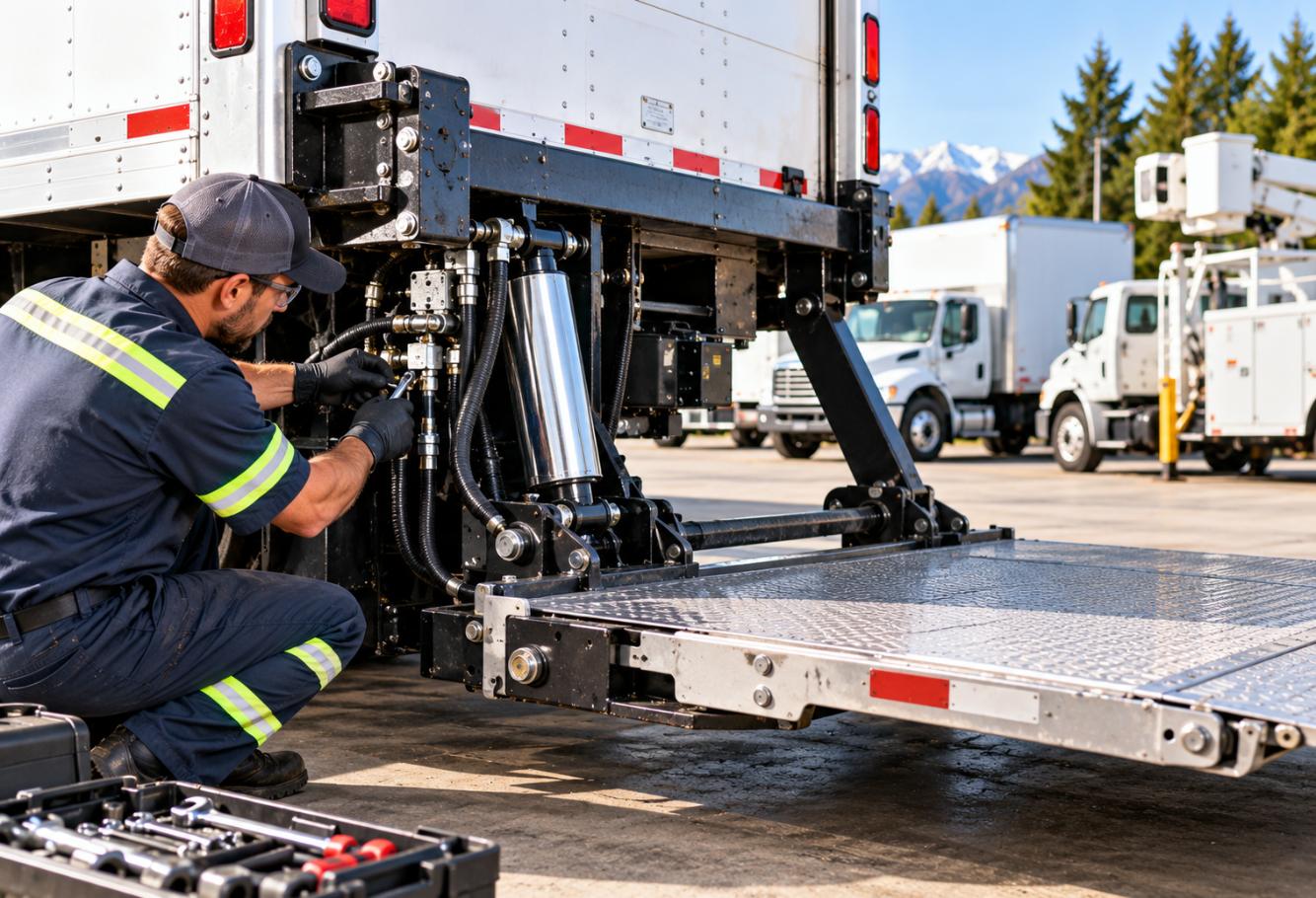
The best approach is preventive fleet maintenance focused on hydraulic fluid, hoses, fittings, cylinders, electrical connections, pivot points, and liftgate operation. Routine inspections can reveal leaks, corrosion, damaged hoses, slow movement, and other problems before they become roadside or jobsite failures.
What local fleet operators should know
-
Liftgates should be inspected regularly for hydraulic leaks, hose damage, abnormal movement, and worn mechanical components.
-
Everett’s wet Pacific Northwest conditions make corrosion prevention and electrical connection inspections especially worthwhile.
-
Fleets working around the Port of Everett, Airport Road, SR 526, and other industrial routes may put equipment through frequent loading and unloading cycles.
-
Operators should report slow, jerky, uneven, or noisy liftgate movement rather than waiting for the equipment to stop working.
-
Hydraulic repairs should address the cause of fluid loss or pressure problems, not simply replace lost fluid.
Why Does Liftgate Maintenance Matter for Everett Fleets?
Liftgate maintenance matters for Everett fleets because dependable loading equipment helps trucks complete scheduled stops without avoidable equipment downtime. Delivery trucks and utility vehicles operating throughout Snohomish County may use their liftgates repeatedly during a shift, making small hydraulic or mechanical problems increasingly disruptive.
Everett is an important freight center with connections between I-5, US 2, the Port of Everett, SR 526, and industrial areas around Paine Field. The City of Everett identifies a network of preferred freight routes serving commercial and industrial areas, while its transportation planning recognizes several heavily used freight corridors.
For trucks traveling these corridors and making repeated local stops, liftgate condition is part of overall fleet readiness.
At Auto Truck Service Inc., we understand that commercial equipment problems affect more than the vehicle itself. When a liftgate or hydraulic system cannot perform its job, deliveries, utility work, loading schedules, and driver productivity can all be affected.
What Do Local Operating Conditions Mean for Hydraulic Equipment?
Local operating conditions mean hydraulic equipment needs regular attention to moisture exposure, contamination, corrosion, and wear. Western Washington’s wet environment can leave trucks repeatedly exposed to water and road debris, while commercial operation adds vibration and frequent cycling that can reveal weaknesses in hoses, fittings, electrical components, and moving parts.
The City of Everett’s transportation planning also reflects the area’s substantial freight activity. I-5, US 2, Evergreen Way, 41st Street, Broadway, and Airport Road are identified as major freight corridors, with SR 526 and several other routes also carrying significant freight traffic.
For fleet managers, the practical takeaway is simple: liftgate inspections should be part of routine truck maintenance rather than something performed only after a failure.
What Warning Signs Suggest a Liftgate or Hydraulic Problem?
Liftgate and hydraulic problems commonly show themselves through fluid leakage, slow operation, unusual noises, uneven movement, or inconsistent lifting. Everett fleet operators should encourage drivers to report these changes promptly because a minor symptom can point to a developing hydraulic, electrical, or mechanical issue.
Watch for:
-
Hydraulic fluid collecting beneath the truck or around fittings, hoses, pumps, or cylinders.
-
A platform that raises or lowers more slowly than normal.
-
Jerking, hesitation, drifting, or uneven liftgate movement.
-
Cracked, abraded, kinked, or wet hydraulic hoses.
-
Corrosion around electrical terminals, connectors, or liftgate components.
-
Unusual pump noises during operation.
-
Loose, damaged, or excessively worn pivot points and mounting hardware.
-
A liftgate that behaves differently under load than it does when empty.
Drivers should never ignore a change simply because the gate still operates.
When Should You Call a Professional?
Professional service is appropriate when a liftgate has hydraulic leaks, damaged hoses, electrical faults, abnormal movement, structural concerns, or recurring performance problems. Drivers can perform basic visual checks, but diagnosing pressure loss, repairing hydraulic components, or addressing electrical and mechanical failures requires appropriate equipment and experience.
A simple pre-trip visual inspection can identify obvious leakage, physical damage, or loose components. Operators can also pay attention to how the platform moves during normal use.
DIY work should stop when diagnosis requires opening hydraulic lines, testing system pressure, repairing cylinders, troubleshooting electrical controls, or correcting structural and mounting problems. Hydraulic systems can operate under significant pressure, so repairs should not be improvised.
What Commonly Causes Liftgate Problems in Everett?
Common liftgate problems in Everett fleets can result from hydraulic leaks, worn hoses and seals, electrical deterioration, contamination, mechanical wear, and repeated operating cycles. Local moisture and commercial fleet use can compound these issues when inspections or preventive service are delayed.
1. Hydraulic leaks: Hoses, seals, cylinders, and fittings can deteriorate with age and use. A visible leak deserves inspection rather than repeated fluid top-offs.
2. Electrical problems: Pumps and controls depend on reliable electrical connections. Moisture, corrosion, damaged wiring, or poor connections can cause intermittent or complete loss of operation.
3. Mechanical wear: Pins, bushings, hinges, rollers, and other moving components experience repeated loads during normal liftgate cycles.
4. Contamination: Dirt or moisture entering a hydraulic system can interfere with dependable operation and contribute to component wear.
5. Heavy operating cycles: Delivery fleets making numerous stops around Everett, Mukilteo, Marysville, and surrounding Snohomish County communities can accumulate liftgate cycles quickly.
How Can Fleets Prevent Liftgate and Hydraulic Failures?
Fleets can reduce preventable liftgate problems by combining driver inspections with scheduled professional maintenance. The most useful routine is consistent: inspect the system, address leakage early, keep moving components properly maintained, monitor fluid condition, and investigate changes in operation before they become complete failures.
Include liftgate checks in regular fleet inspections. Look over hoses for rubbing, cracking, bulges, or leakage. Examine cylinders and fittings for signs of fluid. Keep electrical connections clean and watch for corrosion. Check accessible pivot points and hardware according to the equipment manufacturer’s maintenance instructions.
Seasonal inspections can also be useful before the wetter months, particularly for trucks spending long days outdoors or operating near industrial and waterfront areas.
Most importantly, follow the liftgate manufacturer’s service intervals, fluid specifications, lubrication requirements, and inspection procedures for the equipment installed on each truck.
What Results Should Fleets Expect From Preventive Maintenance?
Preventive liftgate maintenance should help fleets identify developing problems earlier and keep equipment operating more consistently. It cannot eliminate every component failure, but routine inspection provides an opportunity to repair wear, leakage, electrical deterioration, or damaged parts before those issues interfere with scheduled work.
For local delivery and utility operations, that can mean fewer surprises during loading and unloading. It also gives fleet managers a clearer picture of equipment condition when planning repairs and vehicle downtime.
What Liftgate Maintenance Mistakes Should Fleets Avoid?
The biggest liftgate maintenance mistakes are ignoring small leaks, treating symptoms instead of causes, and waiting for equipment to fail before scheduling service. A better approach is to document changes in operation and investigate them while the truck can still be scheduled for maintenance.
Mistake: Repeatedly adding hydraulic fluid.
Consequence: The source of fluid loss remains unresolved.
Better approach: Find and repair the leak, then restore the system according to the equipment specifications.
Mistake: Ignoring slower liftgate movement.
Consequence: A developing hydraulic, electrical, or mechanical problem may worsen.
Better approach: Have abnormal operation inspected.
Mistake: Skipping electrical inspections in wet conditions.
Consequence: Corrosion or poor connections may lead to intermittent operation.
Better approach: Include wiring and connections in preventive inspections.
Mistake: Waiting for a gate to stop completely.
Consequence: The truck may require unscheduled service during a route.
Better approach: Schedule repairs when warning signs first appear.
What Is a Common Everett Fleet Maintenance Scenario?
A common Everett fleet scenario is a delivery truck that still has a functioning liftgate but begins operating more slowly or inconsistently during repeated stops. The driver may initially view the change as an inconvenience rather than a maintenance warning.
If inspection reveals leakage, hose deterioration, an electrical issue, or worn components, addressing the problem during scheduled shop time can be far more manageable than dealing with a gate that becomes unusable while the vehicle is loaded and working a route.
This is a representative scenario, not a specific customer case study.
Which Services Can Address Liftgate and Hydraulic Problems?
Liftgate and hydraulic service can address leaks, damaged components, operational problems, and other faults discovered during inspection. The exact repair depends on the liftgate design and the source of the problem, so proper diagnosis should come before parts replacement.
Our approach is to evaluate the symptoms and determine what is preventing the equipment from operating as intended. Fleet operators should also bring any driver observations with the vehicle, including when the problem occurs, whether it changes under load, and whether it is intermittent.
How Should Fleets Compare Preventive Maintenance With Emergency Repair?
Preventive maintenance gives fleet managers more control over repair timing, while emergency repair begins after equipment has already disrupted operations. For Everett-area fleets with scheduled deliveries or utility work, planned inspection and repair are generally easier to coordinate than an unexpected liftgate failure during a route.
A driver inspection is useful for spotting obvious warning signs, but it does not replace professional diagnosis when a hydraulic or electrical problem develops. Likewise, a short-term workaround should not substitute for repairing the underlying fault.
What Areas Can Local Fleet Operators Consider When Planning Service?
Everett fleets often operate throughout a wider Snohomish County network that includes Mukilteo, Marysville, Mill Creek, and nearby industrial areas. Trucks may also move between the Port of Everett, Paine Field-area businesses, I-5, US 2, Evergreen Way, and SR 526 as part of normal commercial routes.
That regional movement makes dependable truck-mounted equipment important even when the vehicle itself remains mechanically roadworthy.
What Can Happen When Liftgate Problems Are Ignored?
Ignoring a liftgate problem can turn a manageable maintenance issue into equipment downtime, a more involved repair, or an inability to load and unload normally. The cost is not limited to the failed component when a commercial truck also loses productive time.
For delivery and utility fleets, delayed work can affect route scheduling, customer stops, crew utilization, and the availability of the truck for its next assignment. Addressing abnormal operation early gives the fleet more opportunity to plan service rather than react to failure.
FAQ About Liftgate and Hydraulic Maintenance in Everett
How often should an Everett fleet inspect its liftgates?
Liftgates should receive routine operator checks and maintenance according to the equipment manufacturer’s specified schedule. Usage matters because a high-cycle delivery truck may accumulate wear faster than a vehicle using its gate occasionally. Fleet managers should combine manufacturer guidance with observations from drivers and scheduled commercial vehicle inspections.
Does Everett’s wet weather affect liftgate maintenance?
Wet conditions can make corrosion prevention and electrical inspections particularly relevant for local commercial trucks. Liftgate components mounted outside the vehicle are regularly exposed to moisture and road contamination. Operators should watch electrical connections, exposed hardware, hydraulic components, and other areas identified by the liftgate manufacturer for inspection or maintenance.
Is a small hydraulic leak safe to ignore?
No, a visible hydraulic leak should be investigated rather than treated as normal operation. Even if the liftgate continues working, leakage can indicate a problem involving a hose, fitting, seal, cylinder, or another component. The correct response is to locate the source and determine the necessary repair.
Why is my liftgate moving slowly?
Slow liftgate movement can have hydraulic, electrical, mechanical, or other equipment-specific causes. Because several faults can create similar symptoms, guessing at the repair can waste time. Everett fleet operators should document when the slowdown occurs and have the system properly inspected if its operation has changed noticeably.
Can drivers perform liftgate maintenance themselves?
Drivers can perform basic visual and operational checks when those checks follow company procedures and manufacturer instructions. They can look for leaks, visible damage, loose parts, and abnormal operation. Hydraulic pressure testing, line repairs, electrical diagnosis, and significant mechanical repairs should be handled by qualified service personnel.
Why are liftgates important for Snohomish County delivery fleets?
Liftgates allow many delivery and service vehicles to move materials where a loading dock or separate material-handling equipment is unavailable. For trucks making repeated stops throughout Snohomish County, an inoperative gate can interfere with otherwise routine work even though the truck itself remains capable of driving.
Should hydraulic fluid simply be topped off when it gets low?
Low hydraulic fluid should prompt an inspection for the reason behind the fluid loss. Adding fluid without identifying the cause can hide an ongoing leak or other problem. Fleets should also use only the fluid type and service procedure specified for the particular hydraulic equipment.
When should an Everett fleet take a liftgate out of service?
A liftgate should not continue operating when its condition creates a safety concern or when manufacturer instructions require it to be removed from service. Significant leakage, uncontrolled movement, structural damage, or other serious abnormalities warrant professional evaluation before continued use.
Keep Your Everett Fleet Ready for the Next Route
Reliable liftgates and hydraulic systems help local delivery and utility trucks stay productive from the waterfront and industrial areas to routes across Snohomish County. Preventive inspections and timely repairs give fleet managers a better opportunity to address wear before it becomes unscheduled downtime.
Protect Fleet Uptime With Liftgate and Hydraulic Service
We can help identify liftgate and hydraulic problems so you can make informed repair and maintenance decisions for your commercial vehicles.
Categorised in: Fleet Maintenance